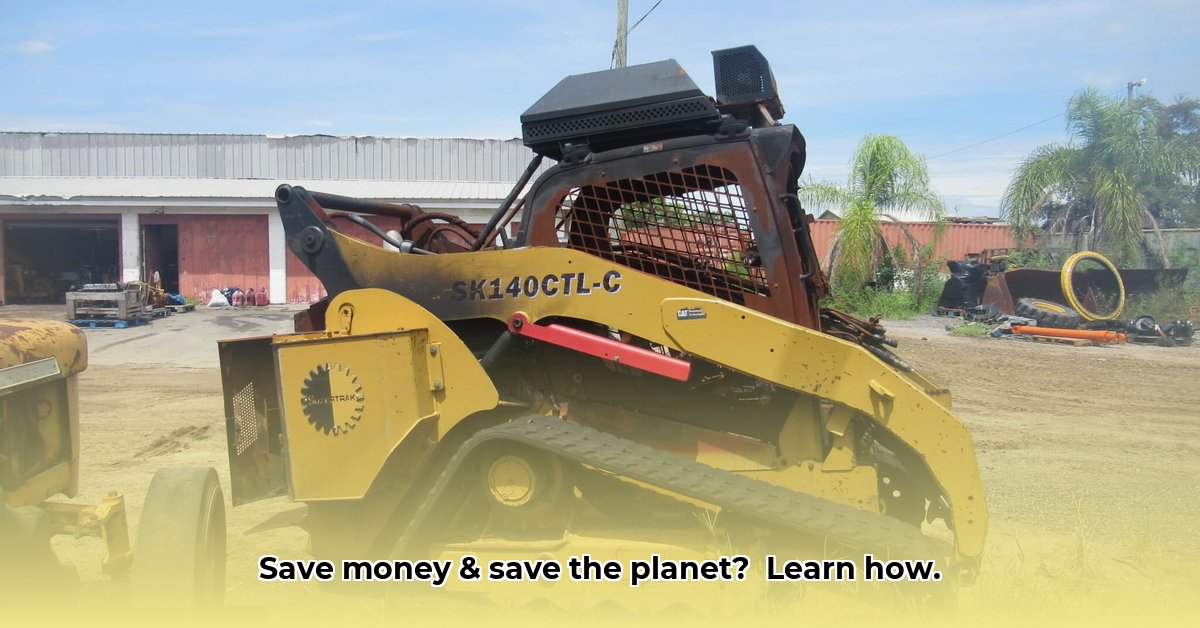
Farming is a challenging business, marked by increasing production pressures and rising costs, all while striving for environmentally responsible practices. One effective strategy to mitigate these challenges is utilizing reconditioned parts for farm equipment. Southern Tractor Service offers a viable pathway towards sustainable and cost-effective farming through the responsible repurposing of tractor parts. This approach not only reduces expenses but also promotes environmentally conscious farming practices. For more information on sustainable farming practices, visit Economy Tractors.
Sourcing and Inspecting Reconditioned Tractor Parts: A Practical Guide
The initial hurdle lies in locating reliable sources for quality reconditioned parts. Southern Tractor Service provides a dependable option; however, careful inspection remains paramount. Selecting the right used part requires a methodical approach. This section outlines a step-by-step guide for farmers seeking to maximize savings and minimize risk.
Step 1: Visual Inspection. Begin with a thorough visual examination of the part. Look for any signs of wear, damage such as cracks or significant dents, or corrosion. Treat this as you would a pre-purchase inspection for a used vehicle.
Step 2: Verification of Part Numbers. Carefully compare the part number on the reconditioned component with your tractor's specifications as listed in your equipment's manual. Ensuring precise compatibility is crucial to avoid future mechanical issues.
Step 3: Functionality Testing (If Feasible). When possible, conduct a brief functionality test to confirm the part's operational efficiency before installation. This proactive step can prevent costly repairs later on.
Step 4: Expert Consultation. If any doubt remains regarding the part's condition or suitability, consult with a qualified mechanic. Their expertise can identify potential problems that might be overlooked during the initial inspection.
Installation and Post-Installation Procedures
Installing a reconditioned part successfully requires careful attention to detail.
- Preparation is Key. Before beginning, ensure you have the necessary tools and a clean, organized workspace. A poorly-organized workspace can increase the risk of mistakes and complications during installation.
- Adhere to Instructions. Always follow the manufacturer's instructions or a reputable repair manual to guarantee proper installation and prevent potential problems.
- Post-Installation Check. After installation, thoroughly inspect the component and the surrounding area for any leaks, unusual noises, or other irregularities. Confirm that all systems are functioning correctly.
Cost Savings and Environmental Benefits of Repurposing Parts
The advantages of employing reconditioned parts are multifaceted, offering both economic and environmental benefits.
Advantages:
- Significant Cost Reduction. Utilizing pre-owned parts provides substantial savings compared to purchasing new components. This can significantly improve a farm's profitability.
- Environmental Sustainability. Repurposing parts reduces waste and minimizes the environmental impact associated with manufacturing and transporting new parts.
- Extended Equipment Lifespan. By effectively repairing and maintaining farm equipment, its overall lifespan can be prolonged, reducing the frequency of replacements.
Disadvantages:
- Potentially Shorter Lifespan: Reconditioned parts might exhibit a shorter operational lifespan compared to new components. However, the cost savings often offset this factor.
- Compatibility Issues: There's always a possibility that there may be compatibility problems between the used part and your equipment. Meticulous inspection and part number verification helps mitigate this risk.
- Inspection and Maintenance: Regular inspection and maintenance are essential for ensuring the continued reliability of reconditioned parts.
"Careful planning and diligent inspection are essential for success in using reconditioned parts," states Dr. Emily Carter, Agricultural Engineer at Purdue University. "These practices allow farmers to maximize cost savings while upholding sustainability goals."
Risk Assessment and Regulatory Compliance
While the economic and environmental advantages of utilizing repurposed parts are significant, farmers need to be aware of potential risks and regulatory compliance needs.
A comprehensive risk assessment should consider:
- Part Failure: The failure of a reconditioned part can lead to costly downtime and potentially significant repair bills. Thorough inspection and professional installation are key mitigation strategies.
- Compatibility Issues: The possibility of incompatibility should be addressed through careful verification of part numbers, and consulting with machinery experts.
- Regulatory Compliance: Farmers must ensure their actions comply with all relevant environmental regulations regarding the use, disposal, and recycling of equipment parts.
Collaborative Efforts for a Sustainable Future
The successful transition towards widespread adoption of repurposed parts in agriculture hinges on collaboration between diverse stakeholders. Farmers, equipment manufacturers, policymakers, and NGOs can collectively foster a system that promotes responsible sourcing, inspection, and reuse of parts. Strong regulatory frameworks, financial incentives, and comprehensive education initiatives are crucial elements in this collective effort.
Key Takeaways:
- Repurposing significantly reduces waste and lowers environmental impact.
- Cost savings contribute substantially to farm profitability.
- Thorough part assessment is crucial to prevent unexpected failures.
- Understanding regulatory compliance ensures legal operations.
- Collaboration is key to widespread adoption of these sustainable practices.